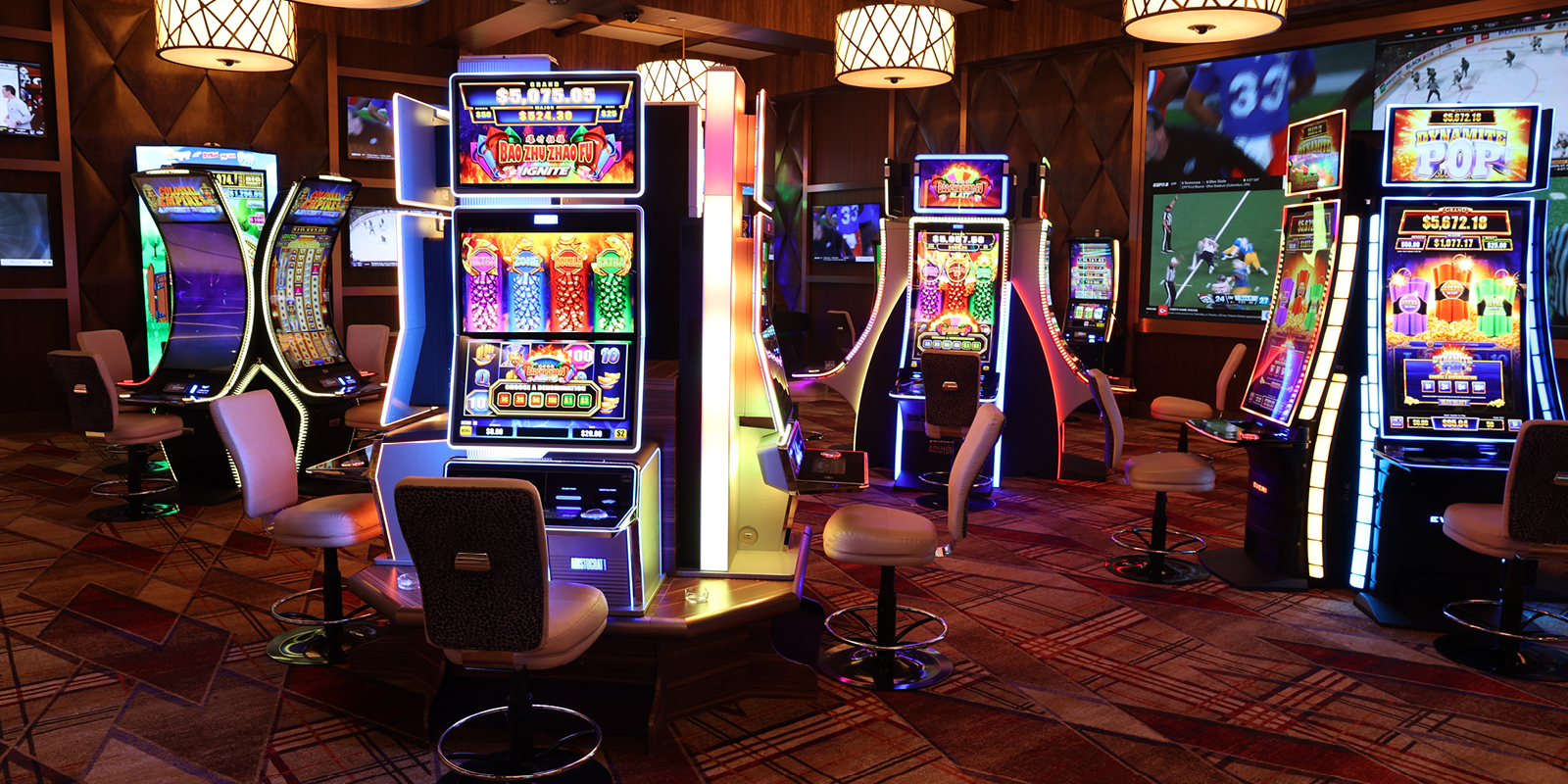
The design of modern slot machines is far from arbitrary. Every flash of light, every melodic chime, and every carefully calculated delay between reels stopping is the result of decades of research into human behavior, cognitive psychology, and the science of reinforcement. While the underlying mathematics of a slot machine are rooted in probability and random number generation, the experience of playing one is engineered to be deeply immersive. Understanding the psychological principles at play can provide valuable insight into how these machines capture and sustain player attention.
The Power of Variable Ratio Reinforcement
At the core of the psychological allure of slot machines lies the concept of variable ratio reinforcement. This principle, derived from behavioral psychology, suggests that behavior is most consistently maintained when the reward is unpredictable. If a player knew exactly when a win would occur, the activity would quickly become monotonous. However, because the rewards are delivered on an irregular schedule, the brain remains in a state of high anticipation.
This anticipation creates a dopamine release cycle. Dopamine is the neurotransmitter associated with reward-seeking behavior. In the context of a slot machine, the brain releases dopamine not just when a win occurs, but during the period of uncertainty leading up to the result. This phenomenon explains why players often feel compelled to continue spinning even when they are not actively winning; the act of playing itself becomes the source of the neurochemical reward.
Sensory Overload and Cognitive Entrainment
Modern slot machines utilize a sensory-rich environment to induce a state often referred to as being in the zone. This state is characterized by a narrowed focus where external concerns fade away, and the player becomes fully absorbed in the immediate task of spinning the reels.
Techniques Used to Sustain Immersion
-
Acoustic Mapping: Sounds are not merely decorative. The specific frequencies, rhythms, and crescendos used in slot machines are designed to mimic states of excitement and relief. Even losing spins are often accompanied by upbeat music to keep the mood positive and the player engaged.
-
Visual Complexity: The use of bright colors, flashing animations, and high-definition graphics serves to keep the visual cortex stimulated. By providing constant visual feedback, the machine occupies the player’s cognitive capacity, making it harder to disengage or think critically about the passage of time or the amount of money spent.
-
The Illusion of Control: Many features, such as the ability to stop reels manually, provide a sense of agency. Although the outcome is entirely predetermined by the random number generator, this perceived control tricks the brain into believing that skill or timing could influence the result, which increases the personal investment in the outcome.
Near-Misses and the Sunk Cost Fallacy
One of the most potent psychological triggers in slot machine design is the near-miss. This occurs when the reels stop just one symbol away from a jackpot or a major bonus feature. To a casual observer, a near-miss is a loss. However, to the human brain, a near-miss is interpreted as a signal that the player is getting closer to success. It serves as a strong motivator to keep playing, as the brain incorrectly assumes that a win is imminent because the previous spin came so close.
This is closely linked to the gambler fallacy, where individuals believe that past outcomes influence future results. If a machine has not paid out for a while, a player might feel that it is due for a win. This cognitive bias, paired with the frustration of the near-miss, often leads to longer, more intense gaming sessions.
The Concept of Faux Wins
Another sophisticated feature found in modern slots is the celebration of a loss, also known as a faux win. This occurs when a player wins an amount that is less than the original bet, yet the machine reacts with the same fanfare—flashing lights, coins raining on the screen, and upbeat music—that would accompany a large payout.
The psychology here is masterful. The brain is conditioned to associate these sensory cues with winning. By providing this positive reinforcement even when the net result is a loss, the machine encourages the player to continue playing, as the negative impact of the loss is masked by the positive associations of the celebratory display. Over time, this softens the blow of diminishing credits, making it easier for the player to stay in the game for longer periods.
Social Proof and the Casino Atmosphere
The environment of a casino is designed to reinforce the idea that winning is a common and frequent occurrence. This is achieved through the strategic placement of machines that trigger loud, celebratory noises when someone else hits a jackpot. By hearing and seeing others win, players are provided with social proof that success is achievable. This observational learning increases the motivation for individuals to play their own machines, fostering a competitive and aspirational atmosphere that is difficult to replicate in other forms of digital entertainment.
Balancing Engagement and Responsibility
As technology continues to advance, the design of these machines is becoming increasingly sophisticated. Future iterations may incorporate biometric data to adjust game pacing based on a player’s stress levels or heart rate, further tightening the loop between the machine and the player’s internal state.
While these psychological features are effective at boosting engagement, they also highlight the importance of player awareness. Recognizing that the machine is designed to trigger specific emotional responses is the first step toward maintaining a healthy relationship with gaming. By understanding that the lights, sounds, and near-misses are tools used to sustain interest, players can approach their sessions with a greater sense of perspective and objective decision-making.
The goal of these designs is to provide entertainment, and when managed with appropriate boundaries, they can be a source of excitement. The key lies in separating the calculated psychology of the machine from the reality of the game itself, ensuring that the entertainment value remains the primary focus of the experience.
Frequently Asked Questions
Why do slot machines use specific colors like gold and red?
These colors are historically associated with luxury, wealth, and high energy. Gold triggers associations with currency and prizes, while red is a high-arousal color that captures attention and increases the sense of excitement, helping to maintain a high level of alertness during play.
Is there a psychological reason why reels stop one by one?
Yes, this is known as the build-up effect. By delaying the result of the reels, the machine forces the player to wait for the final outcome. This brief delay increases the level of physiological arousal and adrenaline, making the eventual reveal more impactful than it would be if all reels stopped simultaneously.
How does game speed affect the psychological experience?
Faster game speeds tend to increase the frequency of reinforcement, which can lead to more rapid play and potentially faster budget depletion. Developers often calibrate the spin time to balance the desire for quick action with the need to keep the player engaged for an extended period.
Do themes and storytelling in slots change how players perceive risk?
Thematic elements serve as a distraction from the cold mathematics of the game. When a player is invested in a narrative or a character within the slot, they are less likely to focus on the statistical probability of winning and more likely to focus on the emotional journey of the game, which can alter risk perception.
Can individual personality traits influence susceptibility to these design features?
Yes, individuals with higher levels of impulsivity or a greater need for stimulation may find themselves more susceptible to the fast-paced, high-arousal features of modern slots. Understanding one’s own triggers is a vital component of responsible play.
Do machines actually learn from a player’s behavior?
Standard slot machines operate on fixed, audited algorithms and do not learn from individual players in real-time. While some platforms may use data to offer personalized bonus rewards or loyalty promotions, the core gameplay experience is strictly governed by pre-set probability parameters.