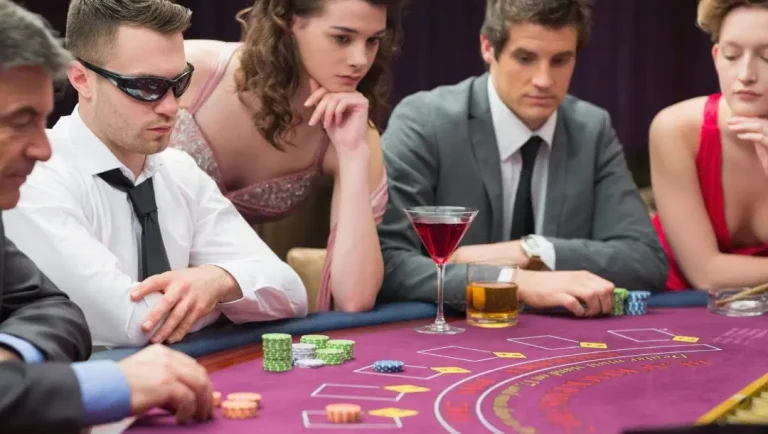
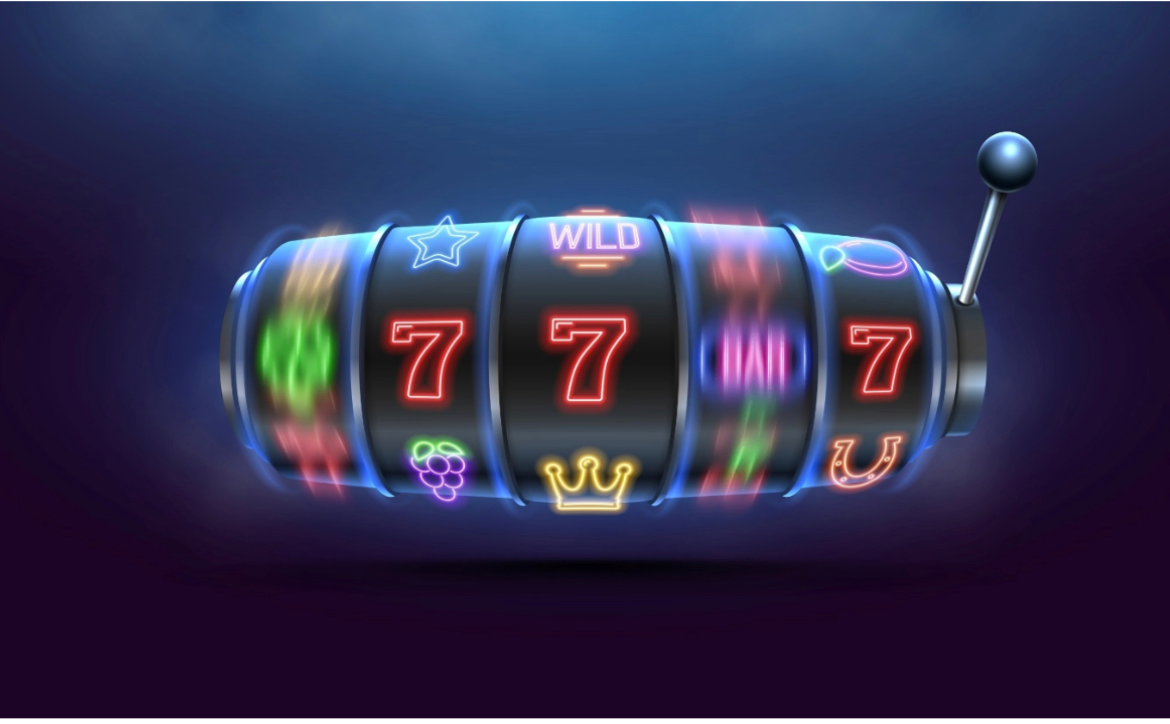
Among the dazzling lights, the rhythmic clinks, and the palpable tension of the casino floor, there is one game that consistently stands out as a crowd favorite: the slot machine. Its hypnotic spinning reels and colorful graphics have become an iconic symbol of modern gambling, captivating millions of players around the globe. But while the slot machine may appear simple on the surface, there is far more to these machines than meets the eye. From their fascinating history to the intricate technologies that power them today, the world of slots is a complex and ever-evolving realm, blending chance with psychology, and entertainment with potential fortune.
The Evolution of the Slot Machine: From Mechanical Beginnings to Digital Domination
The history of slot machines dates back over a century, beginning with the creation of the first mechanical slot machine, Liberty Bell, in 1895. Invented by Charles Fey, a San Francisco mechanic, the Liberty Bell featured three spinning reels, each adorned with five symbols: horseshoes, diamonds, spades, hearts, and the Liberty Bell. This simple yet revolutionary design laid the groundwork for what would become a global phenomenon. Fey’s invention offered players a straightforward game of chance, where the goal was to align three matching symbols along a horizontal payline.
The original machines were entirely mechanical, powered by a system of gears, springs, and levers. While these machines were rudimentary by today’s standards, they captured the imagination of the public and quickly gained popularity. Over time, the mechanical machines evolved, incorporating more symbols and, eventually, multiple paylines to increase excitement and the potential for bigger wins.
The real breakthrough for slots came in the 1970s with the introduction of the electronic slot machine. These machines replaced the mechanical components with electrical circuits, allowing for more intricate designs and the introduction of features like flashing lights, sound effects, and electronic reels. By the 1990s, video slots, which used computer screens instead of physical reels, became mainstream, marking the beginning of the digital era of slots.
Today, slot machines have advanced even further, with modern video slots boasting impressive 3D graphics, immersive themes, and engaging bonus rounds. The digital revolution also brought about the rise of online slots, allowing players to access their favorite games from the comfort of their homes or on-the-go via mobile devices. What began as a humble mechanical device has now transformed into a multi-billion-dollar industry, with a staggering array of games catering to a diverse range of tastes and preferences.
The Mechanics of Modern Slot Machines: RNGs and Volatility
At the heart of every slot machine, whether land-based or online, lies a technology known as the Random Number Generator (RNG). The RNG is a sophisticated algorithm designed to ensure that every spin is independent and entirely random. This guarantees that the outcome of each spin cannot be predicted or manipulated, ensuring fairness in the game. When a player presses the spin button, the RNG generates a random sequence of numbers, which correspond to the symbols displayed on the reels. It’s this randomness that gives slot machines their allure—every spin holds the potential for an unpredictable outcome, whether that results in a small win or a massive jackpot.
However, while the RNG ensures that slots are fair, there’s more to the game than mere luck. One of the most important aspects of modern slots is the concept of volatility, or variance. Volatility refers to the frequency and size of the payouts a particular slot machine offers. High-volatility slots tend to offer larger, less frequent wins, while low-volatility slots deliver smaller, more frequent payouts. Players must consider their own risk tolerance when selecting a game, as the volatility will greatly impact their overall experience.
In addition to volatility, another key element that players should be aware of is the Return to Player (RTP) percentage. This figure represents the long-term expected payout of a slot machine, typically expressed as a percentage of the total amount wagered. For instance, a slot with an RTP of 96% would, on average, pay back 96% of the money wagered on it over time, though it’s important to note that RTP is calculated over millions of spins, not on a single session. Understanding these statistics can help players make informed decisions when choosing which slot games to play.
The Psychology Behind Slot Machines: Why Do We Love Them?
The enduring popularity of slot machines can be attributed, in part, to the psychology of gambling itself. Slots are designed to be highly engaging, combining the excitement of chance with the allure of instant rewards. One of the key factors that make slot machines so captivating is the concept of variable reinforcement, a psychological principle rooted in behavioral science. This principle states that unpredictable rewards—like the potential for a big payout after each spin—tend to be more addictive than consistent, predictable rewards. Every time a player pulls the lever or presses the button, there is a sense of anticipation that builds, followed by the thrill of seeing the outcome. Even when the outcome is a loss, the uncertainty of the next spin can keep players engaged, hoping for that elusive win.
Furthermore, the sensory experience of playing slots cannot be understated. The flashing lights, catchy sound effects, and celebratory music that accompany a win are all designed to heighten the emotional response of the player. These elements stimulate the brain’s reward centers, releasing dopamine—the same neurotransmitter involved in pleasurable activities like eating and socializing. In this way, slot machines are able to create a cycle of excitement and reward that keeps players coming back for more.
Another psychological phenomenon at play is the concept of near-misses. A near-miss occurs when the reels stop just short of a winning combination, such as when two out of three jackpot symbols line up but one is slightly off. Research has shown that near-misses can be even more psychologically motivating than outright wins, as they reinforce the belief that a win is just around the corner. This illusion of “almost winning” keeps players hopeful, driving them to continue spinning the reels in search of the next big payout.
The Thrill of Jackpot Slots: Dreaming of the Big Win
Perhaps the most compelling feature of slot machines is the chance to win a life-changing amount of money, especially in the case of progressive jackpot slots. Progressive jackpots are linked across multiple machines or casinos, with a small percentage of each wager contributing to a constantly growing jackpot prize. The largest progressive jackpots can reach into the tens of millions, offering players the opportunity to change their lives with a single spin.
While the odds of hitting a progressive jackpot are astronomically low, the allure of the big win keeps players coming back to try their luck. Iconic games like Mega Moolah, Wheel of Fortune, and The Millionaire Genie have become synonymous with massive payouts, cementing the fantasy of hitting the jackpot as one of the driving forces behind the popularity of slots.
The Future of Slots: Innovation and Integration
As technology continues to advance, the future of slot machines seems limitless. Virtual reality (VR) and augmented reality (AR) are expected to play an increasing role in the development of immersive slot experiences, where players can interact with the game world in new and exciting ways. In addition, the integration of skill-based elements into slot games is gaining traction, blurring the lines between traditional slots and video games. These hybrid games allow players to have more control over the outcome, introducing an element of strategy that is typically absent in classic slot machines.
Online slots, too, are becoming more sophisticated, with new features such as megaways—a dynamic reel system that changes the number of symbols on each reel during every spin—offering players even more opportunities to win. The advent of blockchain technology may also influence the future of slots, allowing for greater transparency and security in online gambling.
Conclusion
Slot machines, with their rich history, complex mechanics, and psychological allure, are much more than just a form of entertainment—they are a testament to the human love of chance, excitement, and possibility. Whether played in the glitz and glamour of a Las Vegas casino or on a smartphone screen at home, slots continue to captivate players worldwide. The evolution from mechanical reels to digital extravaganzas is a reflection of our ever-changing relationship with technology and entertainment. And with innovations on the horizon, it seems certain that the fascination with slots will only grow, evolving into new forms while maintaining the same timeless thrill that has made them so irresistible for over a century.